About Leo’s Pet Care
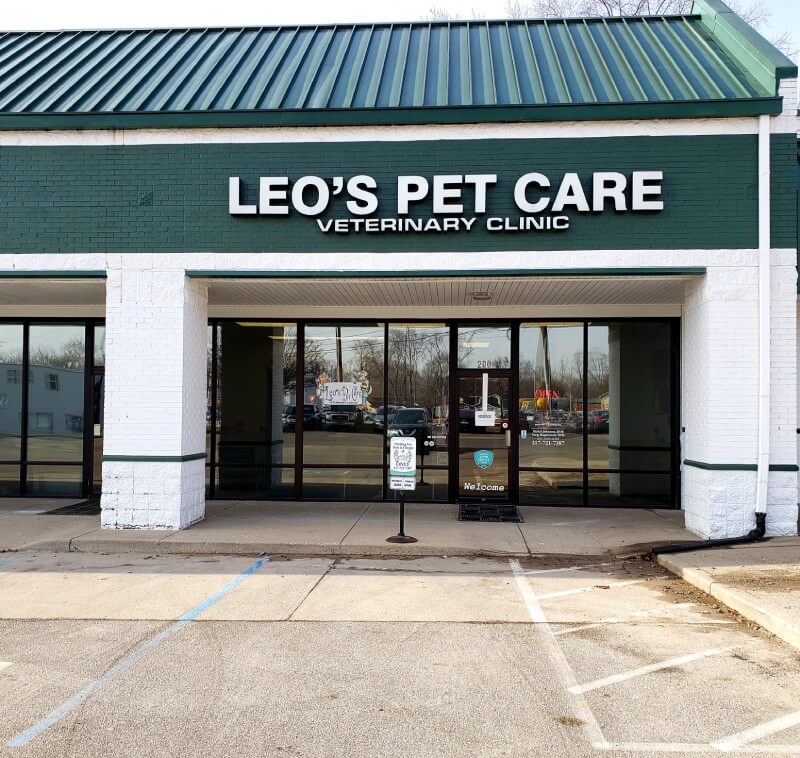
Leo’s Pet Care’s original veterinary clinic office at 106th and College has served the Carmel, IN area since 2010. Treating dogs and cats only, Dr. Magnusson and his team of veterinary professionals invite you to browse our website to learn more about our practice or call the office at (317) 721-7387 with any questions you might have about your pet’s appointment.
Complete Veterinary Care in Carmel, IN
At Leo’s Pet Care, we aim to keep your pets healthy. We recommend routine pet examinations, vaccinations, and more to give your pets the best chance at a healthy and long life.


Dog Services
Our hospital can handle any dog procedure, including preventive care, medical diagnosis, and emergency surgery.

Cat Services
We specialize in cat health services for all ages, breeds, and circumstances.

Pet Dentistry
It is important to us that you understand the reasons why dental care is important for your pet’s overall health.
Pet Surgery
At Leo’s Pet Care, we understand that it can be frightening to receive the news that pet surgery is being recommended.
Meet Our Carmel Veterinarians and Staff
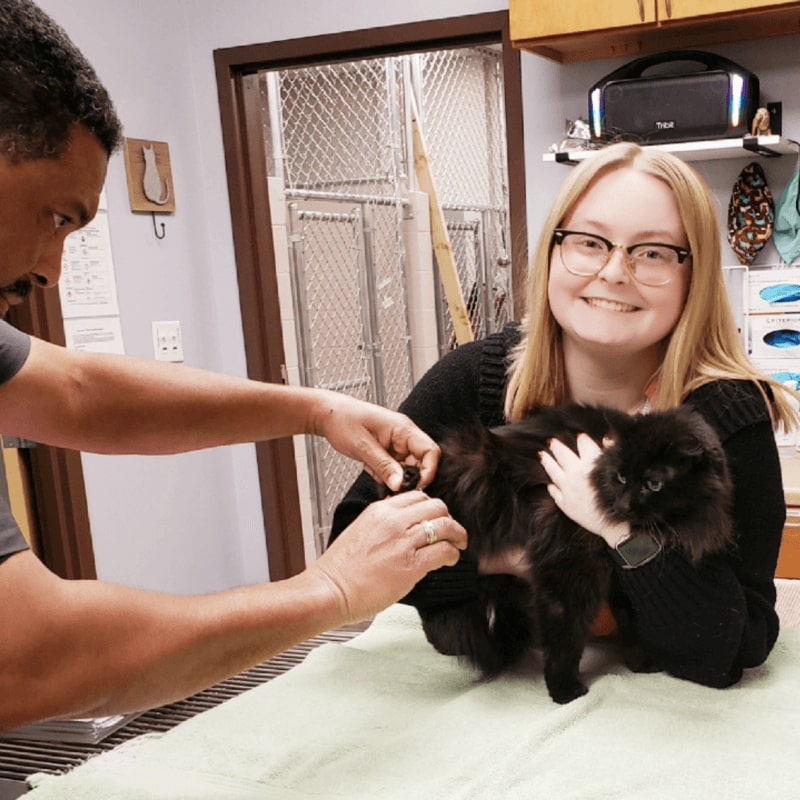
Our team includes licensed veterinarians, registered veterinary technicians, and support staff. Each team member plays a vital role in ensuring the health and well-being of the animals that come to Leo’s Pet Care. We treat your pet as we would our own. Our team of experienced veterinarians and support staff is here to ensure your pet’s needs are met.
Visit our office to get the latest in top-quality veterinary care along with unparalleled service.


Thank You For Your Kind Words!

Our favorite vet in town. Highly recommend! Dr. Johnson is great, and we like that she takes the time to ensure we understand things and answers all of our questions. The vet techs are also very friendly and welcoming. Our dogs love Rick and Brittney!
Lindsay Lee Schmidt
Carmel, IN
I love that Leo’s Pet Care is a small, family oriented practice! Everyone is always takes such good care of my puppy and when I was really nervous about him going under for his first dental cleaning, they let me know what I could bring to make him feel comfortable during his stay. I’ve already recommended my mom to take her dog to Leo’s Pet Care and she loves Dr. Magnusson and team too!
Kirsten Petras
Carmel, IN

How To Pay
Payment is expected when services are rendered. At Leo’s Pet Care, we accept debit cards, credit cards (Visa, Mastercard, Discover) checks, cash, and CareCredit. All cards must be signed by the owner of the card.